Articles
Thoughtful analysis and commentary on law, politics, constitution, society, and international affairs.
Categories
Tags
Content Type
Sort & Date

After Hadi, the Silence Feels Dangerous

Where Do Bangladesh’s Real Military Risks Lie?
Bangladesh’s defence policy should reflect its actual security risks and economic capacity. This article argues that direct military aggression from India is unlikely, while instability in Myanmar presents more immediate border threats. Bangladesh should prioritise credible deterrence, maritime security and strong institutions, alongside investment in education, healthcare and skilled people. Any military alliance must be assessed against national interests, practical benefits and potential obligations. Lasting security depends on people, institutions, economic strength and national unity—not weapons alone.

The Rise of Bengali Nationalism in Pakistan After 1947
Bengali nationalism in Pakistan after 1947 developed through demands for linguistic recognition, fair representation, economic rights and regional autonomy. It did not begin as a rejection of Muslim identity or Pakistan itself. This article examines how inherited inequalities, centralised power, prolonged military rule and failures of political leadership deepened mistrust in East Pakistan. It also considers the constitutional significance and practical challenges of the Six-Point Programme, highlighting the failure to reconcile democracy, regional equity and national unity.

Bangladesh Should Join the Mecca Defence Pact—but on Its Own Terms
For Bangladesh, with its limited military capabilities but significant geostrategic and economic interests, a collective defence arrangement could serve as a force multiplier. However, the pact must strengthen Bangladesh’s security without diminishing its diplomatic autonomy.

Can the BNP Break Bangladesh’s Cycle of Political Disappointment?
Can the BNP turn Bangladesh’s political transition into lasting democratic change? This article examines the party’s recurring cycle of revival and disappointment, its centralised leadership and its weaknesses in internal democracy and policy development. It argues that the BNP’s true test lies in limiting its own power, strengthening independent institutions and offering a credible alternative to the political practices it once opposed.

Bangladesh’s Tribunal and the ICCPR: What Does International Law Require?
Bangladesh’s International Crimes Tribunal must uphold the country’s obligations under the ICCPR, including judicial independence, fair-trial safeguards, meaningful appellate review and effective remedies. Domestic legislation cannot excuse violations of international obligations, and treaty reservations do not provide a general exemption from these standards. These protections are especially critical in death penalty cases, where mistakes become irreversible after execution. The Tribunal’s lasting credibility depends on establishing individual responsibility through reliable evidence, protecting defence rights and correcting demonstrated errors, thereby serving both victims and defendants.
 Daily Naya Diganta (দৈনিক নয়া দিগন্ত)
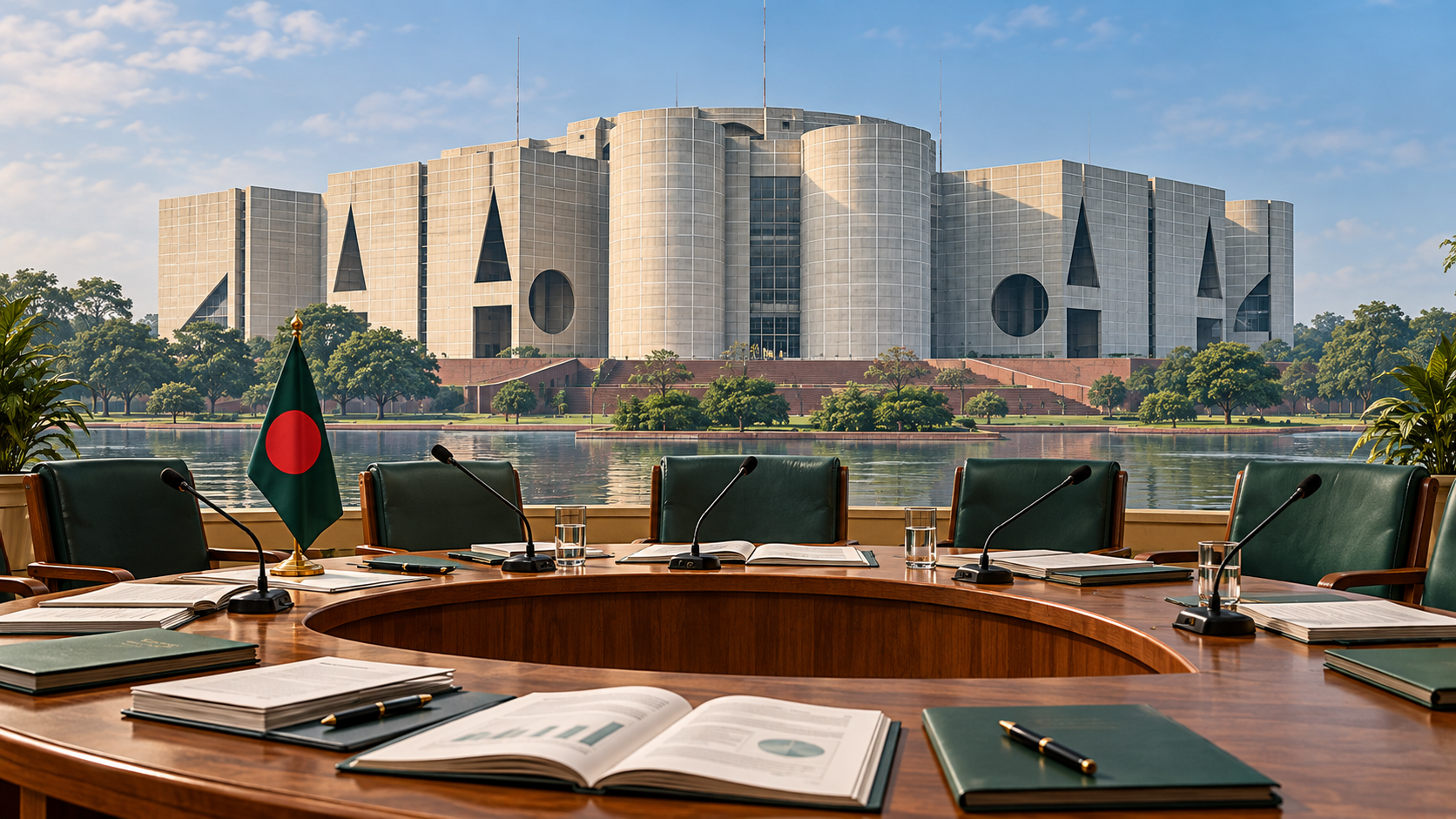
Strong Standing Committees Are the Foundation of an Effective Parliament
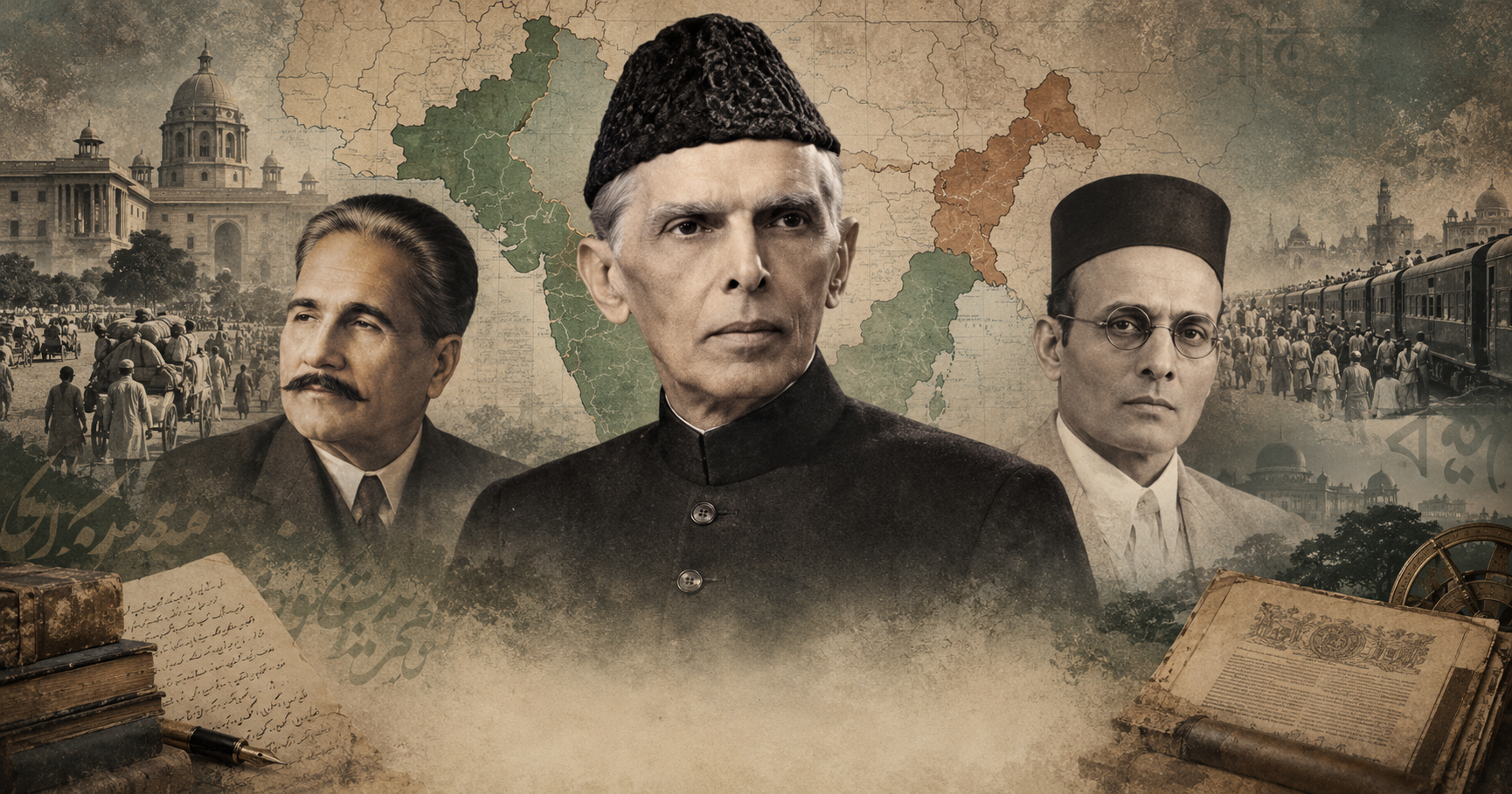
Jinnah, the Two-Nation Theory and Pakistan: History Must Be Viewed as a Whole, Not in Fragments
This article examines Jinnah’s political legacy within its wider historical context, challenging the claim that he alone created the Two-Nation Theory. It acknowledges his mistake on the Bengali language question while emphasising his decisive role in securing Muslim political rights and establishing Pakistan.
 Daily Naya Diganta (দৈনিক নয়া দিগন্ত)
আমাদের প্লেটে নীরব জনস্বাস্থ্য সঙ্কট
দৈনিক নয়া দিগন্তে প্রকাশিত আমার উপ-সম্পাদকীয় লেখাঃ -