Articles
Thoughtful analysis and commentary on law, politics, constitution, society, and international affairs.
Categories
Tags
Content Type
Sort & Date
 Daily Waadaa
The high price of democratic survival
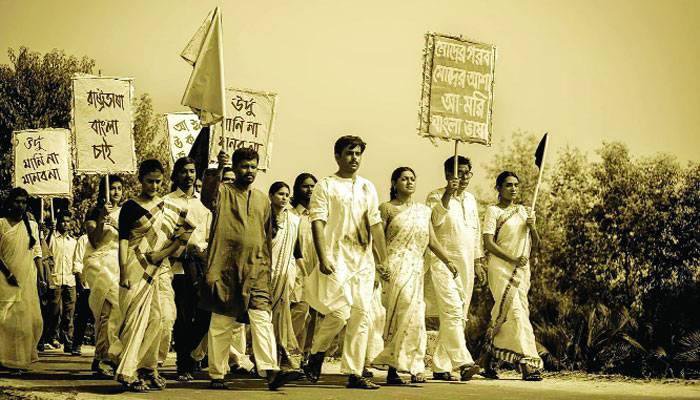
The State Language Movement: What Is Lost When History Is Read as a Linear Narrative
The State Language Movement was not merely an expression of emotional attachment to one’s mother tongue; it was a struggle for equal citizenship, economic opportunity, political participation and identity. To understand this history, we must look beyond 1952—and resist erasing anyone’s historical role because of political divisions that emerged later.
The Six-Point Demand of 1966: Federal Autonomy, Political Strategy and the Road to Bangladesh
The Six-Point Programme demanded autonomy, democratic rights and economic justice for East Pakistan within a united Pakistan. Its proposals raised constitutional challenges, particularly over currency, taxation and central authority, but these were open to negotiation. The denial of democratic rights, failed political compromise and military repression transformed the autonomy movement into a struggle for independence. The Six Points therefore cannot be understood simply as either a perfect constitutional solution or a preplanned conspiracy to divide Pakistan.
From 1971 to the Caretaker Government: The Political Legacy of Ghulam Azam
This article critically examines Professor Ghulam Azam’s political legacy—from his position in 1971 to Jamaat-e-Islami’s reorganisation, the caretaker government movement, and the party’s emergence as a significant force in Bangladesh’s electoral politics.
The Unfinished Suffering of the Biharis: Bangladesh’s Responsibilities and Pakistan’s Reluctance
The Biharis’ suffering reflects the lasting consequences of 1971, discrimination in Bangladesh and Pakistan’s reluctance to accept those wishing to settle there. Although their Bangladeshi citizenship has been recognised, many still face poverty and insecure camp life. Individual crimes must never justify collective punishment. Those who remain deserve equal rights, while those wishing to move to Pakistan deserve a safe, voluntary pathway.
 Daily Naya Diganta (দৈনিক নয়া দিগন্ত)
Ombudsment
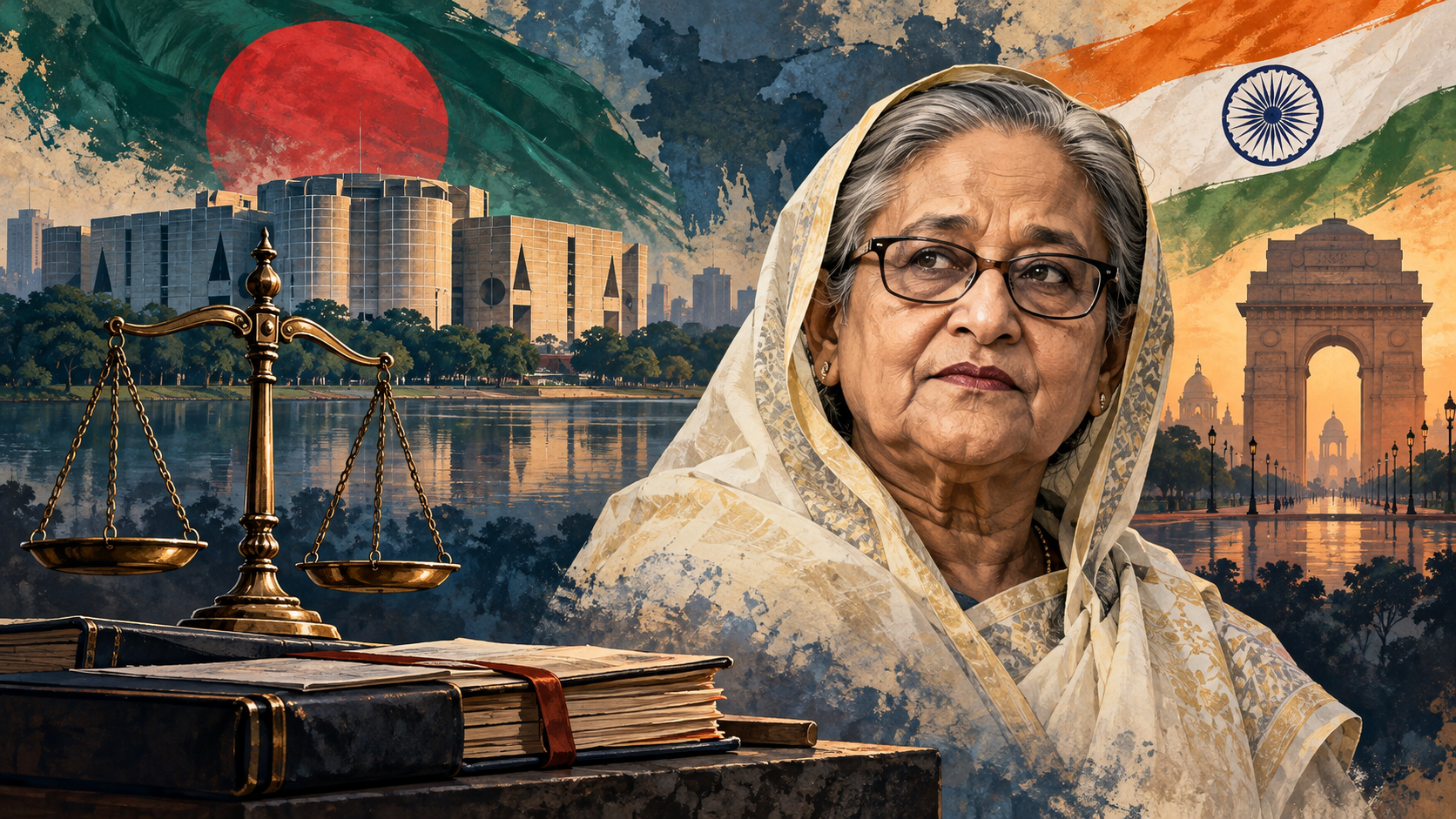
Hasina in India: Law, Extradition and the Politics of Accountability
Sheikh Hasina’s stay in India raises questions of law, extradition and accountability. Bangladesh should seek clarification of her legal status and pursue her return under the extradition treaty, supported by credible legal documents and firm guarantees of a fair trial and humane treatment. The goal must be justice for victims, not political revenge.
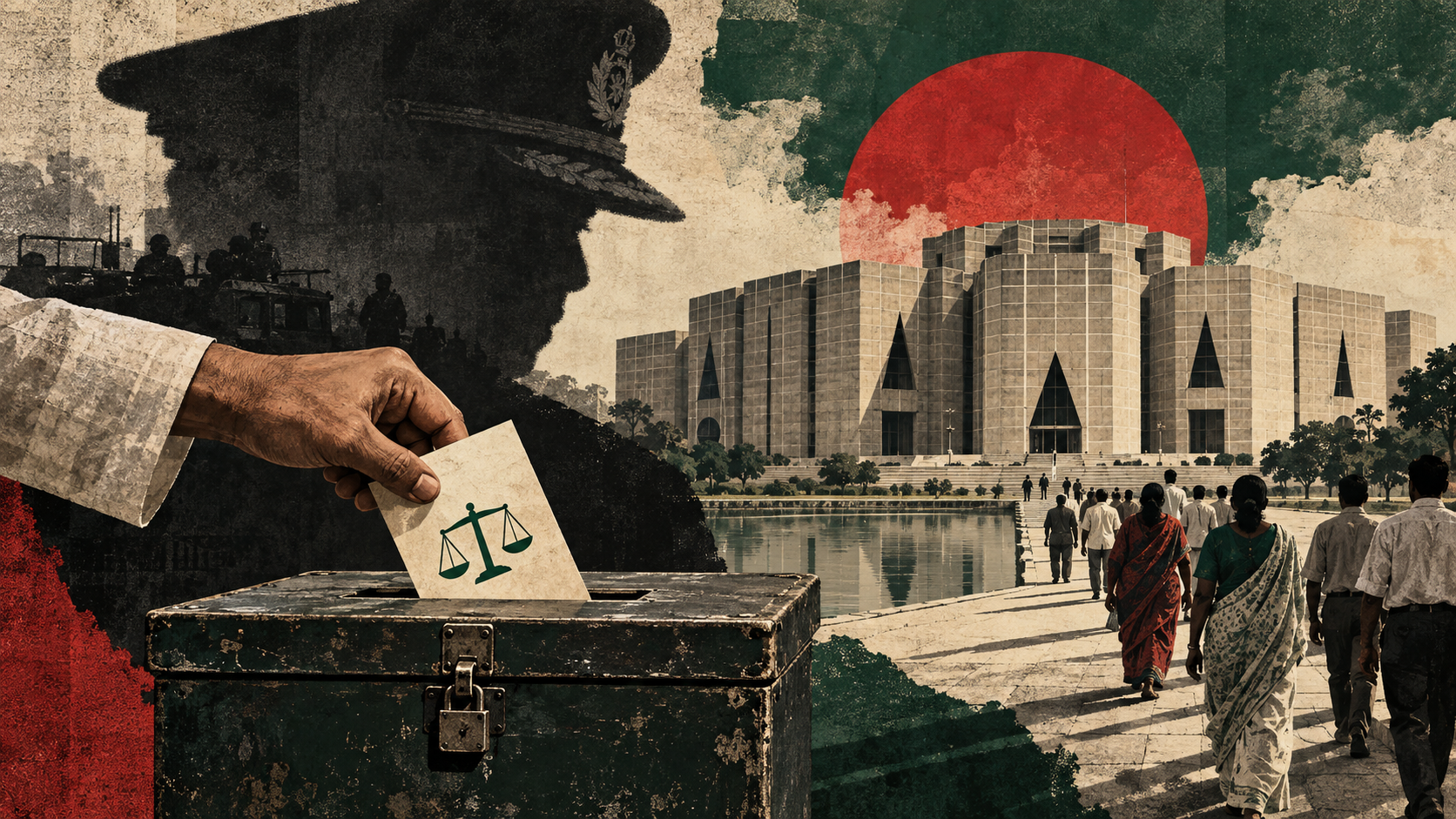
Jamaat in the 1986 Election: The Search for Political Recognition and the Calculations of Military Rule
Jamaat-e-Islami’s participation in Bangladesh’s 1986 election reflected its search for political recognition, public acceptance and parliamentary representation under military rule. Winning ten seats helped establish its independent electoral identity. The Awami League’s participation and the BNP’s boycott revealed competing political strategies, while Ershad benefited from opposition involvement in his election. Jamaat’s resignation from parliament in December 1987 adds an important dimension to understanding its approach to his government.
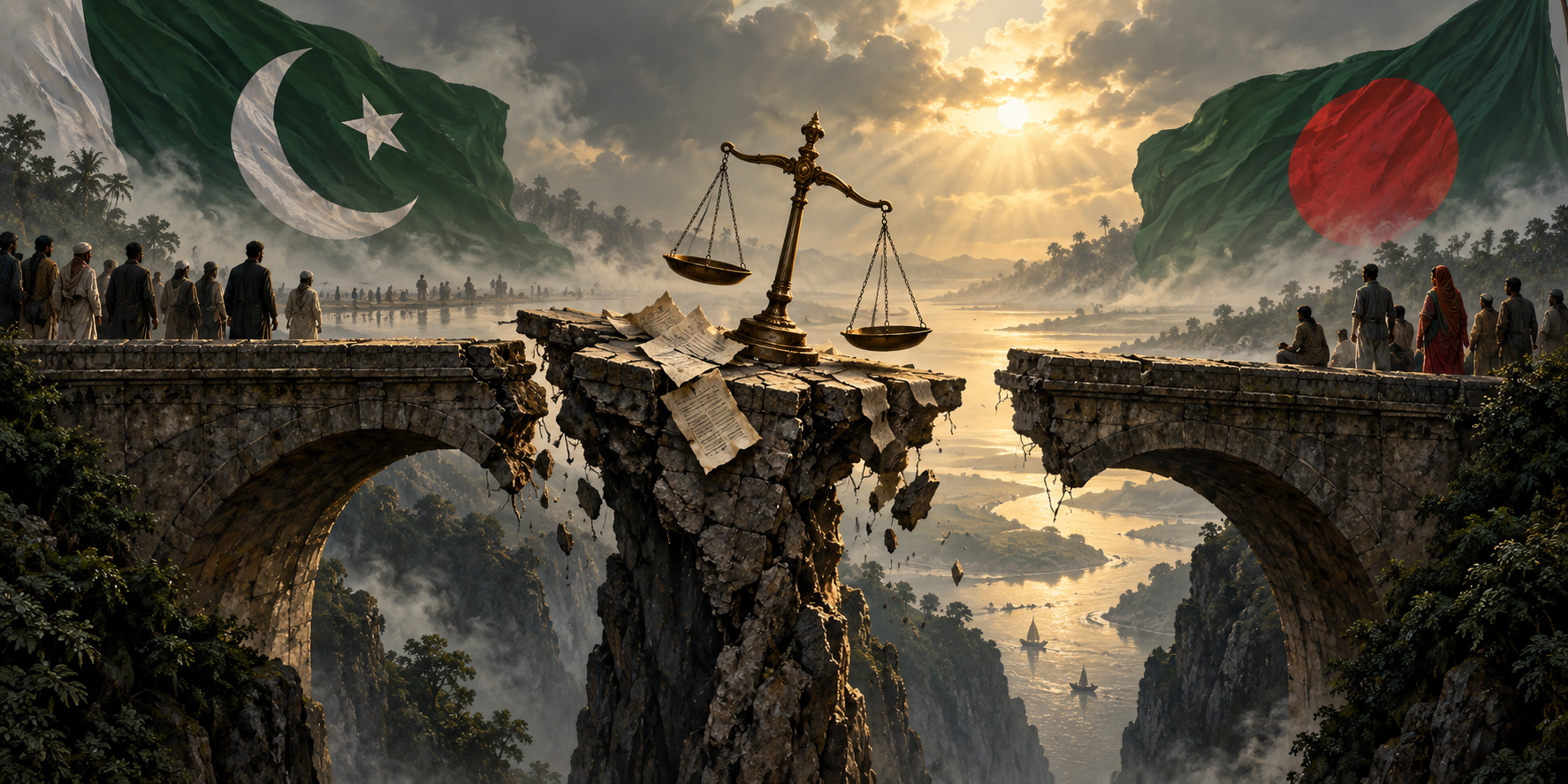
Why United Pakistan Failed Within Twenty-Five Years: Islam, Injustice and the Collapse of a Shared State
Islam provided the strongest bond between East and West Pakistan, but shared faith alone could not sustain unity without justice, democracy and equal citizenship. Military domination, regional inequality and linguistic exclusion steadily weakened that bond. The failure to transfer power after the 1970 election, followed by communal violence, military repression and India’s intervention, brought the union to an end in 1971. Pakistan’s leaders expected religion to preserve a state whose governance too often contradicted the principles they invoked.

International Crimes, Domestic Justice: What Kind of Tribunal Is Bangladesh’s ICT?
Bangladesh’s International Crimes Tribunal is a domestic court established under the 1973 Act, distinct from the ICC and UN-created tribunals. Its national status does not exempt Bangladesh from international fair-trial obligations. The article argues that the Tribunal’s credibility depends on judicial independence, reliable evidence, effective defence rights and meaningful appeals. Accountability for grave crimes must rest on individual responsibility established through fair proceedings, rather than political identity or public expectations.