Articles
Thoughtful analysis and commentary on law, politics, constitution, society, and international affairs.
Categories
Tags
Content Type
Sort & Date
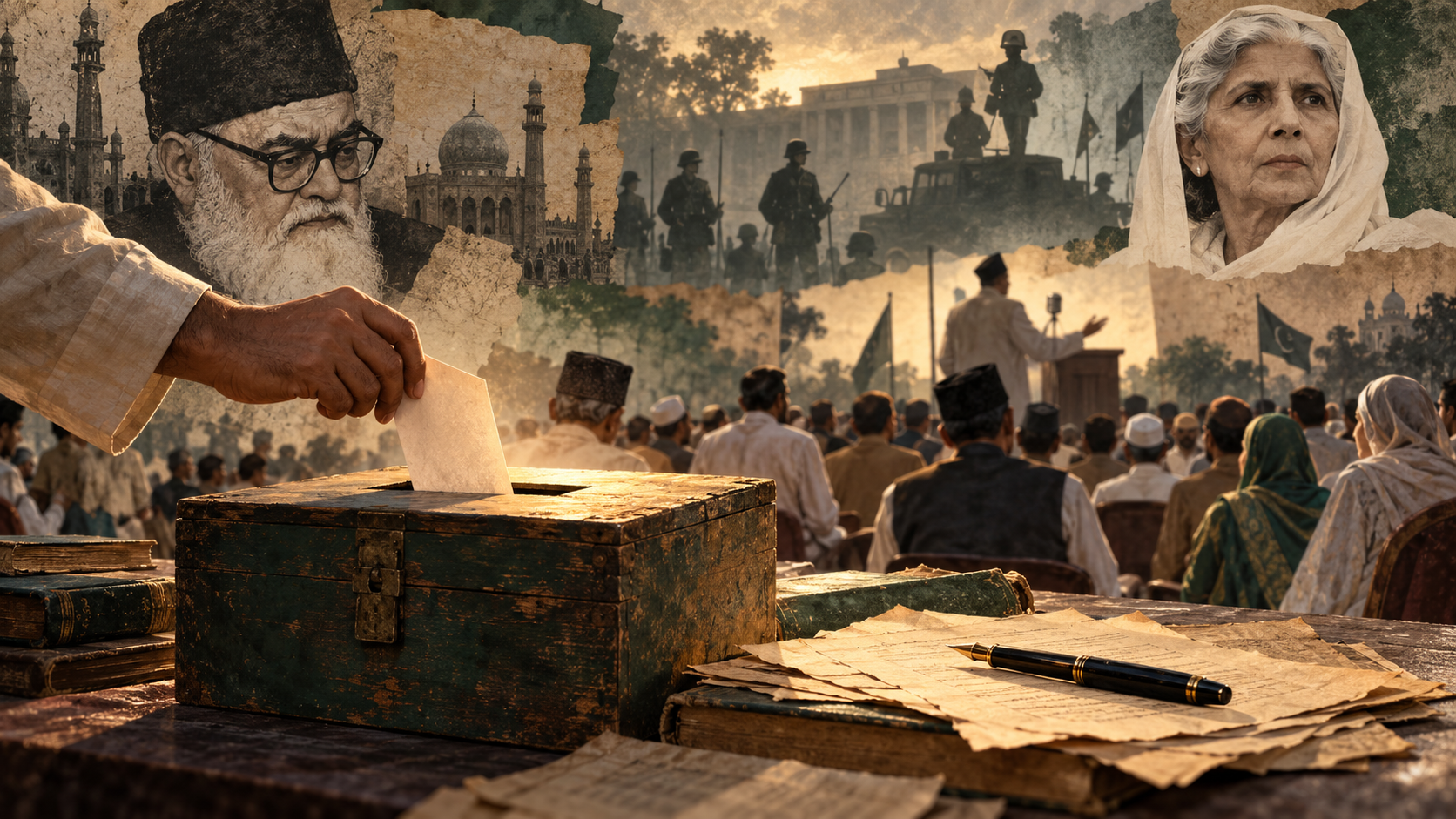
Democratic Movements and Jamaat-e-Islami during the Pakistan Era: 1947–1971
Between 1947 and 1971, Jamaat-e-Islami participated in democratic movements, opposed Ayub Khan’s military rule, and supported electoral and parliamentary government. Its commitment to a united Pakistan later brought it into conflict with Bangladesh’s independence struggle. A balanced historical assessment must recognise both its democratic contributions and its responsibility for its own political choices.
 Daily Naya Diganta (দৈনিক নয়া দিগন্ত)
The New Property Law: Questions of Social Protection and Shariah
 Daily Naya Diganta (দৈনিক নয়া দিগন্ত)
Family Card
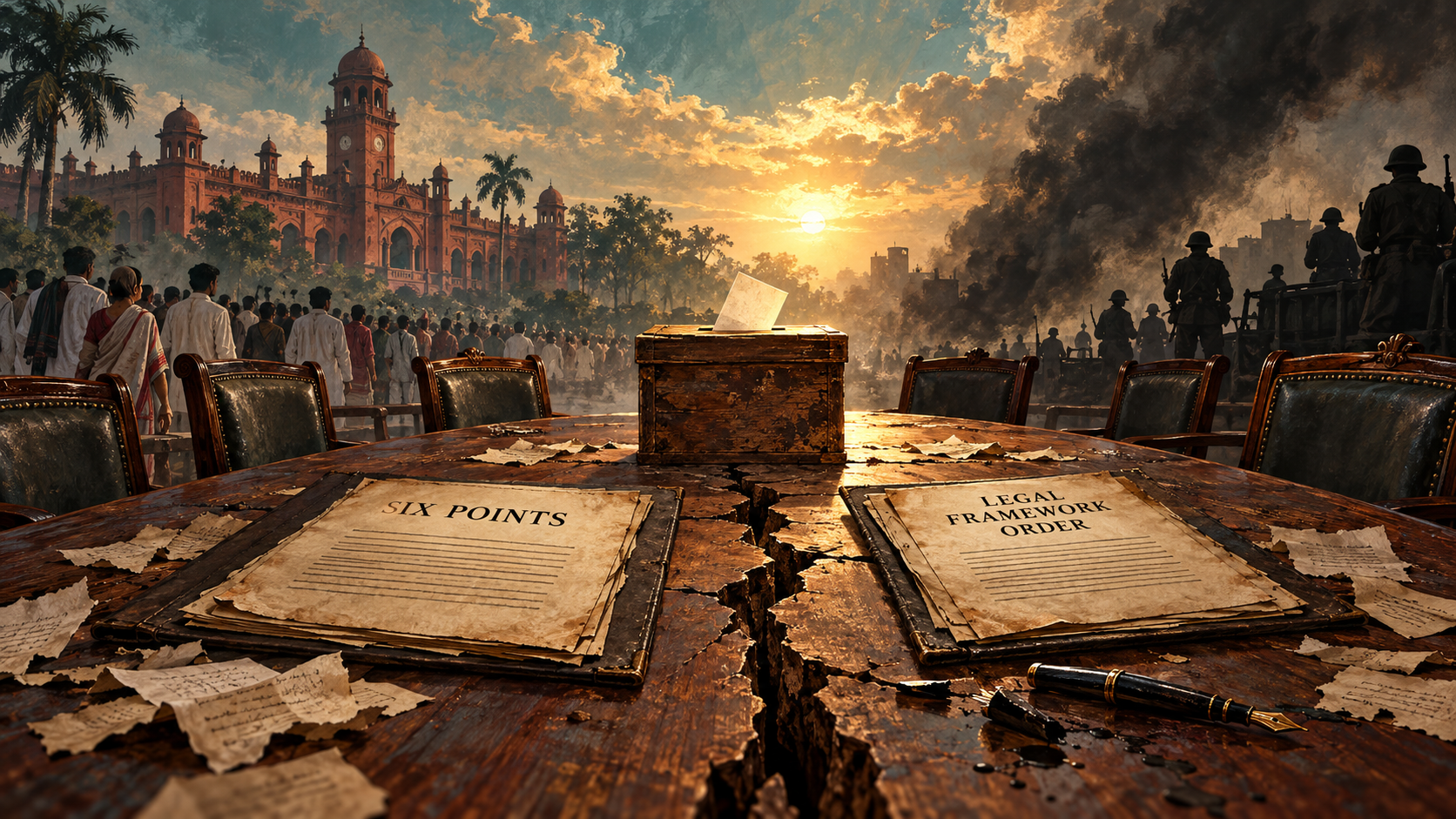
The Six Points, the Failure of Political Compromise and Pakistan’s Breakup: Some Overlooked Questions
Pakistan’s breakup in 1971 reflected longstanding inequality, unresolved constitutional disputes and the failure to respect the 1970 electoral mandate. The conflict between Sheikh Mujib’s Six Points and Yahya Khan’s Legal Framework Order required political negotiation, but the leadership failed to reach a settlement. Obstructing the transfer of power and launching a military crackdown deepened the crisis. The history highlights why protecting political rights, maintaining public trust and pursuing constitutional compromise are essential to a state’s unity.
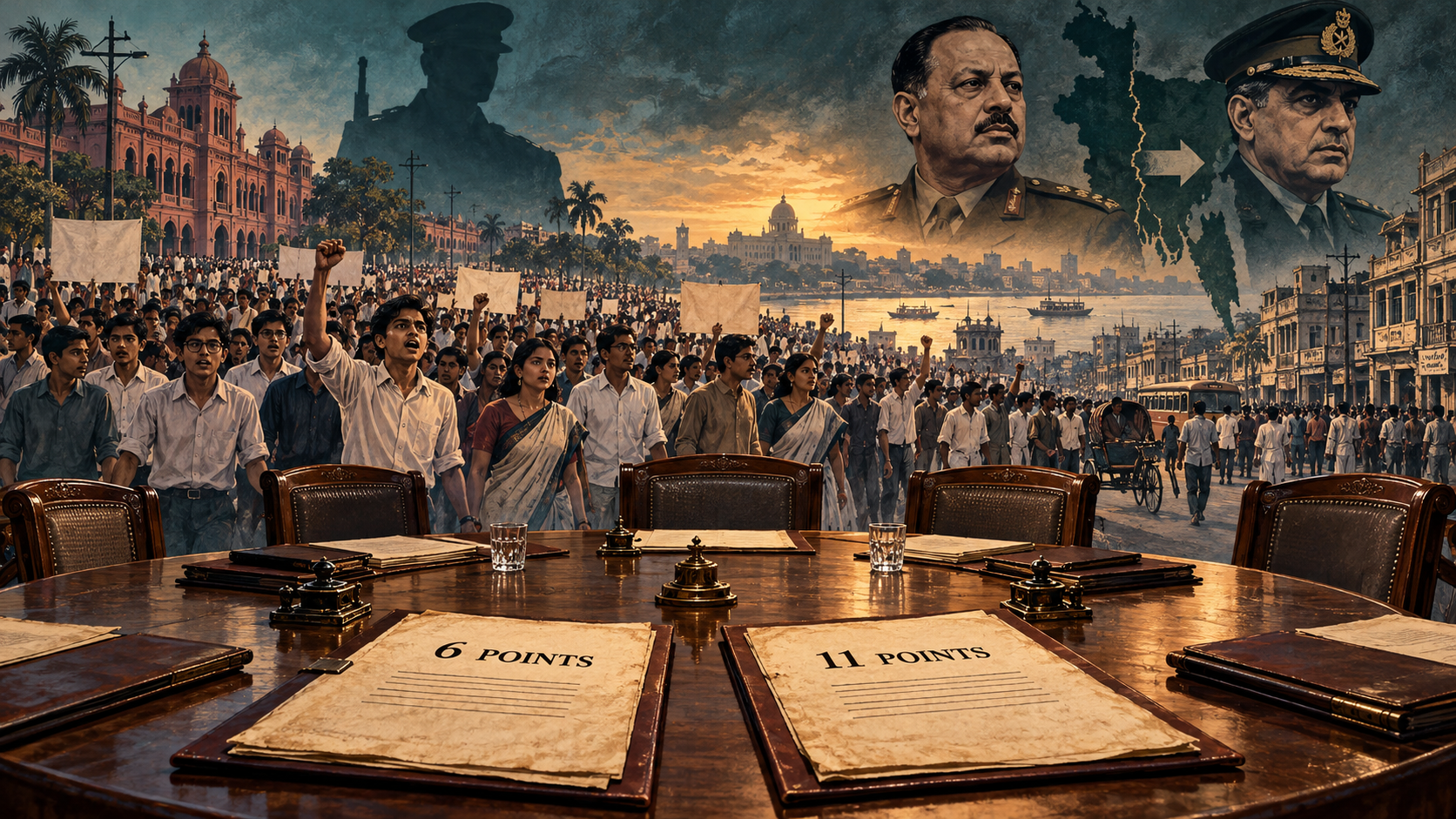
From the Six Points to Ayub’s Fall: Autonomy, Mass Protest and the Limits of Political Unity
Between 1966 and 1969, East Pakistan’s demand for autonomy grew into a mass movement against Ayub Khan. The Six Points defined demands for provincial power, while the students’ Eleven Points connected autonomy with broader democratic, educational and economic concerns. Although the Democratic Action Committee united opposition parties, disagreements over autonomy and the scope of reform remained unresolved. The Round Table Conference failed to bridge these differences. Ayub’s departure ultimately brought another military ruler, Yahya Khan, to power rather than restoring civilian democracy.

Was It a Mistake to Preserve Constitutional Continuity After the 2024 Uprising?
The article argues that preserving constitutional continuity after Bangladesh’s 2024 uprising was the most practical and least risky option, as a revolutionary government lacked a clear leadership structure, legal basis and governing mechanism. However, the interim government’s maximum tenure, authority, accountability and binding reform obligations should have been clearly defined from the outset. The real failure was therefore not maintaining constitutional continuity, but failing to place the post-uprising reform agenda on firm legal and constitutional foundations.
Two Mandates, One Responsibility
Bangladesh’s July Charter and referendum created a public mandate for constitutional reform alongside the BNP’s mandate to govern. Legal disputes over implementation should be resolved through an inclusive parliamentary process that respects the Constitution and the referendum result. Government and opposition must cooperate to strengthen democratic institutions, limit executive power and prevent a return to authoritarian rule.
After the July Uprising: Where does the Bangladesh–India relationship stand?
The July 2024 uprising reshaped Bangladesh–India relations, exposing deep mistrust alongside continuing mutual dependence. Border tensions, water sharing, Sheikh Hasina’s presence in India, the Rohingya crisis and Bangladesh’s ties with China remain key challenges. A stronger relationship requires sovereign equality, transparency and practical cooperation, with both countries prioritising national interests and mutual respect over party loyalties and political resentment.
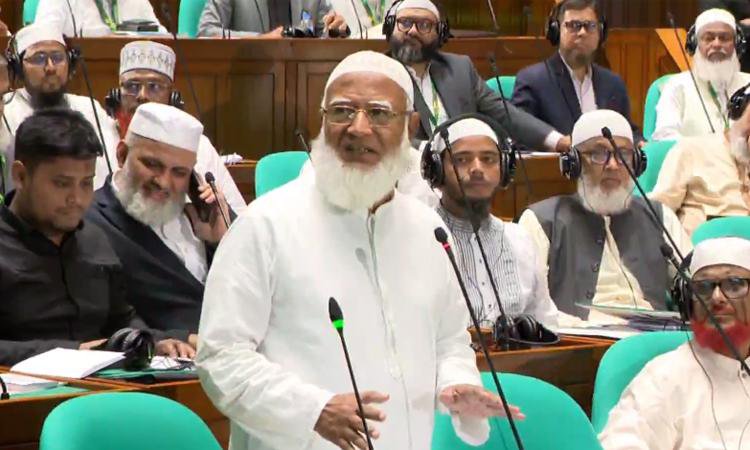
From Prohibition to Parliament: Why Dr. Shafiqur Rahman May Shape Bangladesh’s New Opposition Era
Bangladesh’s 2026 election marked not only the formation of a new government but also the emergence of a powerful new opposition. Under Dr. Shafiqur Rahman’s leadership, Jamaat overcame years of prohibition and political exclusion to become the country’s principal opposition force. Its strong vote share, organisational resilience, and growing support among younger and urban voters demonstrate its transformed political position. Dr. Shafiqur Rahman’s central challenge now is to turn this electoral success into responsible parliamentary leadership, effective accountability, and constructive opposition politics.
 Daily Naya Diganta (দৈনিক নয়া দিগন্ত)
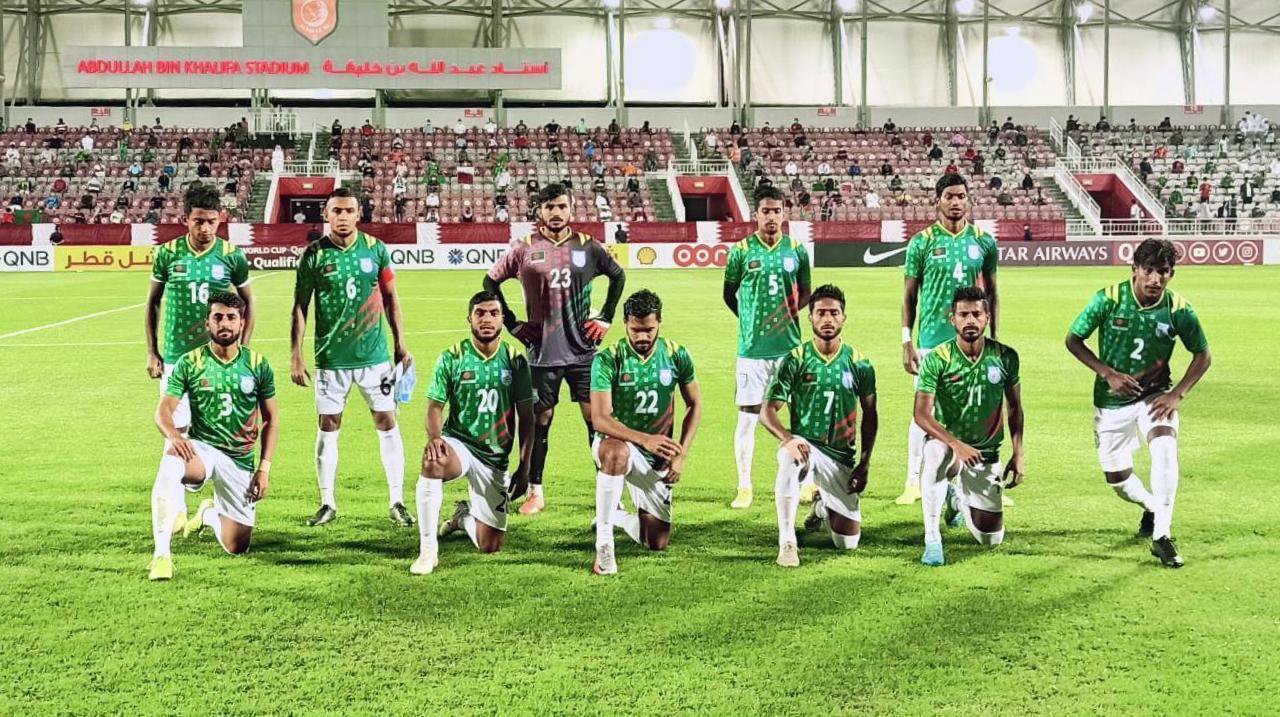
Football World Cup and Bangladesh
When the Football World Cup arrives, Bangladesh gets swept away by a wave of intense passion. From cities to the remotest villages, streets fill with the flags of Brazil and Argentina. However, while we lose ourselves in the excitement of global football, the state of football within our own country remains deeply disappointing and neglected.