Articles
Thoughtful analysis and commentary on law, politics, constitution, society, and international affairs.
Categories
Tags
Content Type
Sort & Date
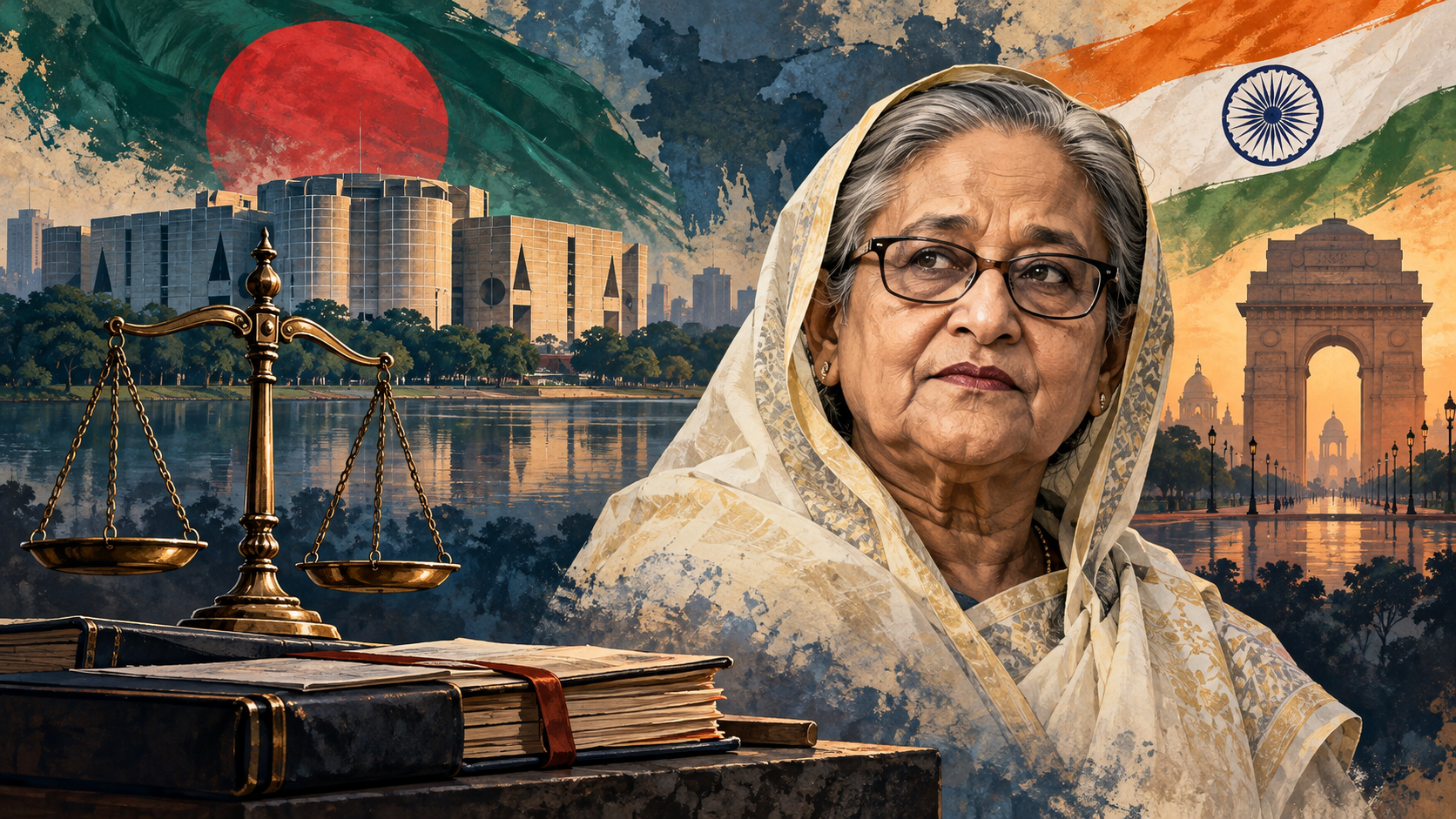
Hasina in India: Law, Extradition and the Politics of Accountability
Sheikh Hasina’s stay in India raises questions of law, extradition and accountability. Bangladesh should seek clarification of her legal status and pursue her return under the extradition treaty, supported by credible legal documents and firm guarantees of a fair trial and humane treatment. The goal must be justice for victims, not political revenge.
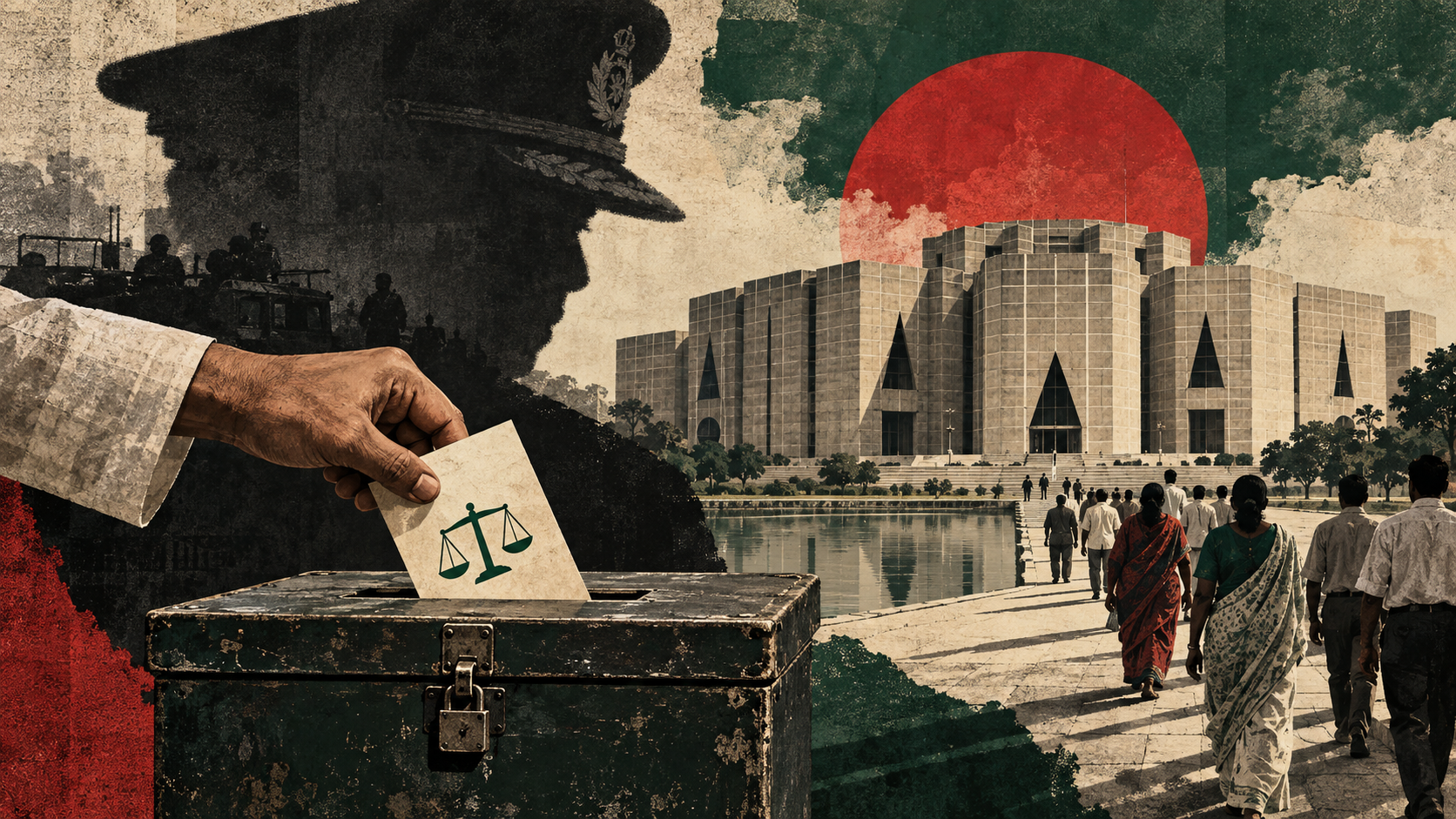
Jamaat in the 1986 Election: The Search for Political Recognition and the Calculations of Military Rule
Jamaat-e-Islami’s participation in Bangladesh’s 1986 election reflected its search for political recognition, public acceptance and parliamentary representation under military rule. Winning ten seats helped establish its independent electoral identity. The Awami League’s participation and the BNP’s boycott revealed competing political strategies, while Ershad benefited from opposition involvement in his election. Jamaat’s resignation from parliament in December 1987 adds an important dimension to understanding its approach to his government.

Can the BNP Break Bangladesh’s Cycle of Political Disappointment?
Can the BNP turn Bangladesh’s political transition into lasting democratic change? This article examines the party’s recurring cycle of revival and disappointment, its centralised leadership and its weaknesses in internal democracy and policy development. It argues that the BNP’s true test lies in limiting its own power, strengthening independent institutions and offering a credible alternative to the political practices it once opposed.